




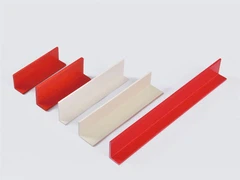

Is SMC material heat - resistant in the bathroom?
May 27, 2025
Leave a message
As a dedicated supplier of SMC material for bathrooms, I often encounter a crucial question from customers: Is SMC material heat-resistant in the bathroom? This query is of utmost importance as the bathroom is an environment where heat and humidity are prevalent. In this blog post, I'll delve into the heat-resistant properties of SMC material in the bathroom context, drawing on scientific knowledge and practical experience.
Understanding SMC Material
Before we explore its heat resistance, let's first understand what SMC material is. Sheet Molding Compound (SMC) is a composite material made from a combination of thermosetting resin, fiberglass reinforcement, fillers, and various additives. The thermosetting resin, typically polyester or vinyl ester, provides the matrix that holds the other components together. The fiberglass reinforcement enhances the material's strength and stiffness, while fillers and additives are used to modify its properties such as color, flame retardancy, and chemical resistance.
SMC material has several advantages that make it a popular choice for bathroom applications. It is lightweight yet strong, corrosion-resistant, and has excellent dimensional stability. It can be molded into complex shapes with high precision, allowing for the creation of aesthetically pleasing and functional bathroom fixtures.
Heat Resistance Mechanisms of SMC Material
The heat resistance of SMC material stems from its chemical and physical properties. The thermosetting resin in SMC undergoes a cross-linking reaction during the molding process, forming a three-dimensional network structure. This cross-linked structure gives the material its rigidity and heat resistance. Once cured, the resin does not melt when heated but instead decomposes at high temperatures.
The fiberglass reinforcement in SMC also plays a role in heat resistance. Fiberglass has a high melting point and can withstand elevated temperatures without significant deformation. It acts as a reinforcement within the resin matrix, helping to maintain the structural integrity of the material under heat stress.
Heat Resistance in the Bathroom Environment
In a bathroom, the main sources of heat are hot water from showers, baths, and faucets, as well as steam generated during these activities. The temperature in a typical bathroom usually ranges from room temperature (around 20 - 25°C) to about 40 - 50°C during normal use. In some cases, if there are high - pressure hot water systems or long - duration hot showers, the temperature can briefly reach up to 60 - 70°C.

SMC material is well - suited to withstand these temperature ranges. Most SMC materials used in bathroom applications have a heat deflection temperature (HDT) of around 100 - 200°C. The HDT is the temperature at which a material begins to deform under a specified load. Since the temperatures in a bathroom are far below the HDT of SMC, the material remains dimensionally stable and does not lose its mechanical properties.
Moreover, SMC material has low thermal conductivity. This means that it does not transfer heat quickly, which is beneficial in a bathroom environment. It helps to keep the surface of bathroom fixtures at a comfortable temperature, even when in contact with hot water. For example, an SMC bathtub will not become overly hot to the touch, providing a safe and comfortable bathing experience.
Case Studies and Practical Applications
Over the years, we have supplied SMC material for a wide range of bathroom products, including bathtubs, shower enclosures, vanity tops, and wall panels. In all these applications, the heat - resistant properties of SMC have been proven effective.
One of our customers, a large - scale hotel chain, installed SMC bathtubs in their bathrooms. After several years of continuous use, the bathtubs showed no signs of deformation or degradation due to heat. The smooth surface of the SMC bathtubs remained intact, and the color did not fade, even after repeated exposure to hot water and steam.
Another example is a residential project where SMC wall panels were used in the bathroom. The panels maintained their shape and finish, providing a durable and aesthetically pleasing interior. The low thermal conductivity of the SMC panels also contributed to better energy efficiency in the bathroom, as they helped to reduce heat loss.
Comparison with Other Materials
When compared to other materials commonly used in bathrooms, such as acrylic and ceramic, SMC has distinct advantages in terms of heat resistance. Acrylic is a thermoplastic material, which means it can soften and deform when exposed to high temperatures. In a bathroom environment, prolonged contact with hot water or steam can cause acrylic fixtures to warp or crack.
Ceramic, on the other hand, is brittle and can crack under thermal shock. When hot water is suddenly poured into a ceramic bathtub, the rapid change in temperature can cause stress fractures. SMC material, with its high heat deflection temperature and good thermal stability, is less prone to these issues.
Related SMC Products and Their Heat Resistance
In addition to bathroom products, SMC material is also used in other applications where heat resistance is important. For example, SMC Cable Trench Cover Plate is designed to protect cables from environmental factors, including heat. These cover plates need to withstand the heat generated by the cables themselves, as well as external heat sources such as sunlight. SMC's heat - resistant properties ensure that the cover plates remain intact and functional over time.
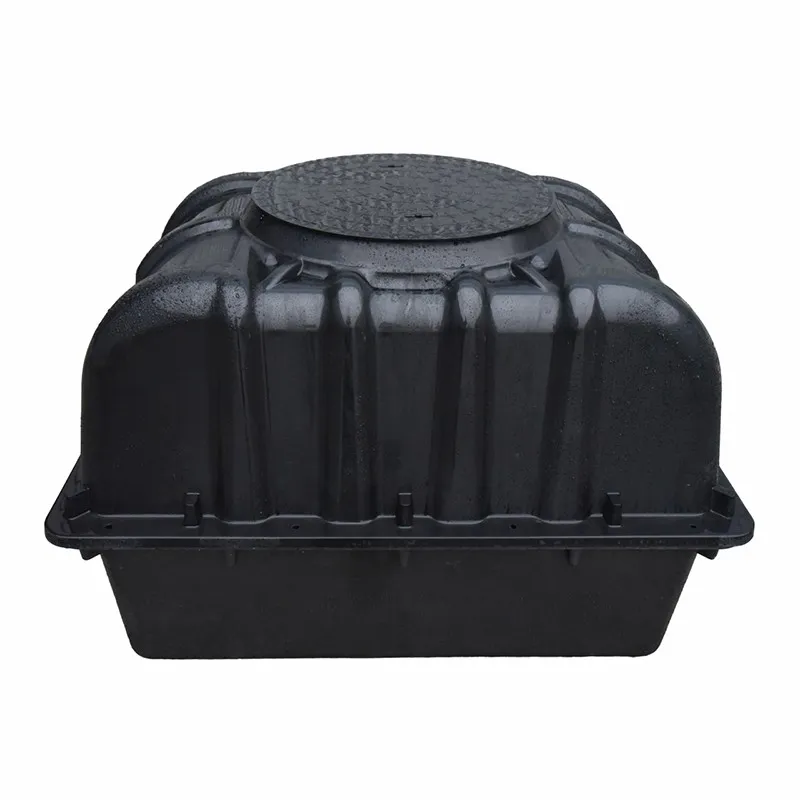
SMC Ground Insulated Water Meter Box is another product that benefits from SMC's heat resistance. In outdoor environments, the box may be exposed to high temperatures during summer. The heat - resistant SMC material prevents the box from deforming or losing its insulating properties, ensuring accurate water metering.
SMC Septic Tank also relies on SMC's heat resistance. The decomposition process in a septic tank generates heat, and the SMC material can withstand this internal heat without degrading, providing a long - lasting and reliable solution for waste management.
Conclusion and Call to Action
In conclusion, SMC material is highly heat - resistant in the bathroom environment. Its chemical and physical properties, including the cross - linked resin structure and fiberglass reinforcement, enable it to withstand the typical temperatures and heat sources found in bathrooms. Compared to other materials, SMC offers better heat resistance, dimensional stability, and durability.
If you are in the market for high - quality, heat - resistant bathroom products, we invite you to reach out to us for a detailed discussion. Our team of experts can provide you with more information about our SMC material offerings, answer your questions, and assist you in finding the right solutions for your specific needs. Whether you are a contractor, a designer, or a homeowner, we are committed to providing you with the best SMC bathroom products and services.
References
- "Handbook of Composites" by Lawrence J. Broutman and Ronald H. Krock
- "Composite Materials: Science and Applications" by P. K. Mallick
- Industry reports on SMC material properties and applications
Send Inquiry