





Is BMC Group Material static - dissipative?
Sep 17, 2025
Leave a message
Hey there! I'm a supplier of BMC Group Material, and today I wanna chat about whether BMC Group Material is static - dissipative.
First off, let's get a basic understanding of what static - dissipative means. Static electricity is that annoying little shock you get when you touch a metal doorknob after walking on a carpet. In industrial settings, static electricity can cause a whole bunch of problems. It can attract dust and dirt, which is a big no - no in clean manufacturing environments. It can also cause damage to sensitive electronic components, leading to costly malfunctions and product failures. A static - dissipative material is one that can gradually conduct static charge away, preventing the build - up of static electricity.
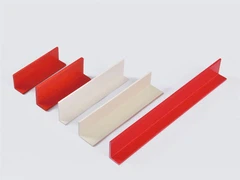
Now, let's dig into BMC Group Material. BMC, or Bulk Molding Compound, is a composite material made up of a thermosetting resin (usually polyester or epoxy), chopped glass fibers, fillers, and various additives. It's widely used in a range of applications, from BMC Motor Wiring Terminal to BMC Electrical Casing.
The static - dissipative properties of BMC Group Material depend on a few key factors. One of the main factors is the additives used in the compound. Some additives can enhance the material's ability to conduct electricity, albeit at a very low level. Carbon black is a common additive used to make BMC materials static - dissipative. When carbon black is added to the BMC, it forms a conductive network within the material. This network allows static charges to move through the material and be dissipated safely.
Another factor is the amount of glass fibers in the BMC. Glass fibers are generally insulators, but in some cases, they can interact with the conductive additives in a way that affects the material's overall conductivity. If the glass fiber content is too high, it might disrupt the conductive network formed by the additives, reducing the static - dissipative properties of the material.
In many electrical applications, the static - dissipative nature of BMC Group Material is crucial. For example, in BMC Electrical Casing, static electricity build - up can be a major safety hazard. If a large amount of static charge accumulates on the casing, it could potentially cause a spark, which might ignite flammable gases or liquids in the vicinity. By using a static - dissipative BMC material for the casing, the risk of such a scenario is significantly reduced.
Similarly, in BMC Motor Wiring Terminal, static electricity can interfere with the proper functioning of the electrical connections. Static charges can attract dust and debris, which can lead to poor electrical contact and increased resistance. This, in turn, can cause overheating and premature failure of the wiring terminals. A static - dissipative BMC material helps to keep the terminals clean and functioning properly.
But how do we test if a BMC Group Material is static - dissipative? There are several standard tests available. One common test is the surface resistance test. In this test, a small voltage is applied to the surface of the material, and the resistance to the flow of current is measured. A material with a surface resistance in the range of 10^6 to 10^12 ohms per square is generally considered static - dissipative.


Another test is the charge decay test. In this test, a known amount of static charge is applied to the material, and the time it takes for the charge to decay to a certain level is measured. A shorter charge decay time indicates better static - dissipative properties.
As a supplier of BMC Group Material, I've seen firsthand the importance of these properties. Our customers in the electrical and electronics industries are always looking for materials that can provide reliable static - dissipative performance. That's why we work hard to ensure that our BMC Group Material meets the highest standards in terms of static - dissipative capabilities.
We have a team of experts who are constantly researching and developing new formulations of BMC Group Material. They experiment with different additives and fiber contents to optimize the static - dissipative properties of the material. We also conduct rigorous quality control tests on every batch of material we produce to make sure it meets the required specifications.
If you're in the market for a high - quality, static - dissipative BMC Group Material, I'd love to talk to you. Whether you're working on a small - scale project or a large - scale industrial application, we can provide you with the right material to meet your needs. We offer a wide range of BMC products with different static - dissipative properties, so you can choose the one that's best suited for your specific requirements.
Don't hesitate to reach out to start a conversation about your procurement needs. We're here to help you find the perfect solution for your static - dissipative material requirements.
References:
- Standard test methods for measuring surface resistance of static - dissipative materials.
- Research papers on the effect of additives on the electrical properties of BMC materials.
Send Inquiry