


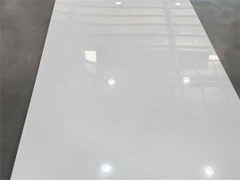



How to reduce static electricity on SMC Ceiling?
Oct 20, 2025
Leave a message
As a supplier of SMC (Sheet Molding Compound) ceilings, I've encountered numerous inquiries regarding static electricity issues on these ceilings. Static electricity can be a nuisance, causing dust and debris to adhere to the surface, which not only affects the aesthetic appeal but also potentially shortens the lifespan of the ceiling. In this blog, I'll share some effective strategies to reduce static electricity on SMC ceilings.
Understanding Static Electricity on SMC Ceilings
Before delving into solutions, it's crucial to understand how static electricity forms on SMC ceilings. Static electricity is generated when two materials come into contact and then separate, causing an imbalance of electric charges. In the case of SMC ceilings, factors such as low humidity, friction from air movement, and the nature of the SMC material itself can contribute to the build - up of static charges.
Low humidity is a significant culprit. In dry environments, the air has fewer water molecules to conduct electricity. As a result, electric charges tend to accumulate on the surface of the SMC ceiling. Friction, on the other hand, can occur when air circulates in the room, especially if there are fans or HVAC systems. The movement of air against the ceiling surface can cause electrons to be transferred, leading to static charge build - up.
Strategies to Reduce Static Electricity
1. Humidify the Environment
One of the most effective ways to reduce static electricity is to increase the humidity in the room. By adding moisture to the air, water molecules can help conduct electric charges away from the SMC ceiling. You can use a humidifier to maintain a relative humidity level between 40% and 60%. This range is not only effective in reducing static but also comfortable for human habitation.
There are different types of humidifiers available on the market, including ultrasonic, evaporative, and steam humidifiers. Ultrasonic humidifiers are popular because they are quiet and energy - efficient. Evaporative humidifiers work by blowing air through a wet wick, while steam humidifiers heat water to produce steam. Choose a humidifier based on your room size and personal preferences.
2. Anti - Static Treatments
Applying anti - static treatments to the SMC ceiling can also be an effective solution. These treatments work by creating a thin layer on the ceiling surface that helps to dissipate static charges. There are commercial anti - static sprays available that can be easily applied to the ceiling.
When using an anti - static spray, make sure to follow the manufacturer's instructions. Usually, you need to clean the ceiling surface first to remove any dust or debris. Then, spray the anti - static solution evenly on the ceiling and allow it to dry. Some anti - static treatments can last for several weeks or even months, depending on the product.
3. Grounding
Grounding is a fundamental electrical principle that can be applied to SMC ceilings. By connecting the ceiling to the ground, static charges can be safely discharged. This can be achieved by using grounding wires or conductive materials.
For example, you can install a conductive strip around the perimeter of the ceiling and connect it to a grounding rod. This provides a path for the static charges to flow to the ground. However, grounding should be done by a professional electrician to ensure safety and compliance with electrical codes.
4. Choose the Right Air Circulation System
The type of air circulation system in the room can also affect static electricity build - up. High - velocity fans or HVAC systems that create a lot of air movement can increase friction and static charges. Consider using low - velocity fans or adjusting the settings of your HVAC system to reduce air turbulence.

Additionally, you can install air filters in your HVAC system. These filters can help remove dust and particles from the air, reducing the chances of them being attracted to the static - charged ceiling.
5. Regular Cleaning
Regular cleaning of the SMC ceiling is essential to prevent the accumulation of dust and debris, which can exacerbate static electricity problems. Use a soft, dry cloth or a microfiber duster to gently wipe the ceiling surface. Avoid using abrasive materials that can scratch the ceiling and potentially increase static charges.
You can also use a mild cleaning solution if the ceiling is particularly dirty. However, make sure to rinse the ceiling thoroughly to remove any residue, as some cleaning agents can leave behind a film that may contribute to static build - up.
Benefits of Reducing Static Electricity on SMC Ceilings
Reducing static electricity on SMC ceilings offers several benefits. Firstly, it improves the appearance of the ceiling. A static - free ceiling is less likely to attract dust and dirt, keeping it looking clean and new for longer.
Secondly, it can extend the lifespan of the ceiling. Static charges can cause dust and debris to adhere to the ceiling, which can scratch the surface over time. By reducing static, you can minimize this wear and tear.
Finally, a static - free environment is more comfortable for occupants. Static electricity can cause minor shocks, which can be annoying and even potentially dangerous in some cases. By eliminating static, you can create a safer and more pleasant living or working space.
Conclusion
As a supplier of SMC ceilings, I understand the importance of providing customers with solutions to common problems. Static electricity on SMC ceilings can be a hassle, but by implementing the strategies mentioned above, such as humidifying the environment, using anti - static treatments, grounding, choosing the right air circulation system, and regular cleaning, you can effectively reduce static charges.
If you are interested in Fireproof Ceiling or other SMC ceiling products, and want to discuss your specific requirements, I encourage you to reach out for a procurement negotiation. We are committed to providing high - quality products and excellent customer service.
References
- "Static Electricity: Causes and Solutions" by Electrical Engineering Journal
- "Humidifiers: A Guide to Improving Indoor Air Quality" by Home Comfort Magazine
- "Anti - Static Treatments for Building Materials" by Construction Technology Review
Send Inquiry