





How to predict the service life of products made of BMC Group Material?
Dec 30, 2025
Leave a message
Hey there! As a supplier of BMC Group Material, I often get asked about how to predict the service life of products made from this awesome stuff. So, I thought I'd share some insights on this topic in this blog post.
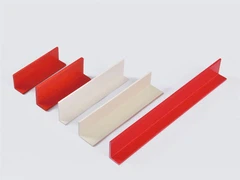
First off, let's talk a bit about what BMC Group Material is. BMC, or Bulk Molding Compound, is a versatile composite material that's widely used in various industries, from automotive to electrical. It's made up of a combination of thermosetting resins, glass fibers, fillers, and additives, which gives it some really great properties like high strength, good electrical insulation, and excellent chemical resistance. You can learn more about it here.
Now, predicting the service life of products made from BMC Group Material isn't an exact science, but there are several factors we can consider to make a pretty good estimate.
Material Composition
The first thing to look at is the material composition itself. Different formulations of BMC Group Material can have different performance characteristics. For example, the type and amount of resin used can significantly affect the material's durability. Some resins are more resistant to heat, chemicals, or UV radiation than others. If a product is going to be exposed to harsh environmental conditions, like high temperatures or corrosive chemicals, we need to choose a resin that can withstand those conditions.
The glass fibers in BMC also play a crucial role. They provide reinforcement and improve the material's strength and stiffness. The length, diameter, and orientation of the glass fibers can all impact the product's performance. Longer and well - dispersed glass fibers generally result in a stronger and more durable product.
Environmental Conditions
The environment in which the product will be used is a major factor in determining its service life. Let's break it down into a few key environmental factors:
Temperature
Temperature can have a big impact on BMC products. High temperatures can cause the resin to degrade over time, leading to a loss of strength and other mechanical properties. On the other hand, low temperatures can make the material more brittle. For example, if a BMC Motor Wiring Terminal is used in an engine compartment where temperatures can get quite high, we need to make sure the BMC material can handle those heat levels without significant degradation.
Humidity and Moisture
Moisture can also be a problem. BMC materials can absorb moisture, which can lead to swelling, delamination, and a reduction in electrical insulation properties. In high - humidity environments or applications where the product may come into contact with water, we need to use a BMC formulation that has good moisture resistance. For instance, BMC Electrical Casing used outdoors needs to be able to resist moisture to ensure the safety and reliability of the electrical components inside.
Chemical Exposure
If the product is exposed to chemicals, such as acids, bases, or solvents, the BMC material needs to be chemically resistant. Some chemicals can react with the resin or fillers in the BMC, causing degradation. We need to analyze the specific chemicals the product will be exposed to and choose a BMC formulation that can withstand those chemical attacks.
UV Radiation
For products used outdoors, UV radiation from the sun can cause the BMC material to fade, become brittle, and lose its mechanical properties over time. To combat this, we can add UV stabilizers to the BMC formulation to improve its resistance to UV radiation.
Load and Stress
The amount of load and stress the product will experience during its service life is another important consideration. If a BMC product is used in a structural application, like a support bracket, it will be subjected to mechanical loads. The magnitude, frequency, and type of these loads (e.g., tensile, compressive, or shear) can all affect the product's durability.
We can use engineering calculations and simulations to predict how the product will perform under different load conditions. Fatigue testing can also be carried out to determine how many cycles of load the product can withstand before failure. If the product is expected to experience cyclic loads, we need to make sure the BMC material has good fatigue resistance.
Manufacturing Process
The way the BMC product is manufactured can also impact its service life. A well - controlled manufacturing process ensures that the material is properly mixed, molded, and cured. Any defects introduced during the manufacturing process, such as voids, inclusions, or improper curing, can significantly reduce the product's strength and durability.
For example, if the molding process doesn't apply enough pressure or heat, the BMC material may not cure properly, leading to a weaker product. Quality control measures during manufacturing are essential to ensure that the final product meets the required specifications.
Testing and Monitoring
To predict the service life of BMC products more accurately, we can conduct various types of testing. Accelerated aging tests are commonly used. These tests expose the product to extreme environmental conditions, such as high temperatures, high humidity, or intense UV radiation, for a shorter period of time to simulate long - term exposure. By analyzing the changes in the product's properties during these tests, we can estimate its service life under normal environmental conditions.


We can also use real - time monitoring techniques during the product's service life. For example, sensors can be installed to measure factors like temperature, stress, or moisture inside the product. This data can be used to detect any early signs of degradation and take preventive measures before the product fails.
How We Can Help
As a BMC Group Material supplier, we have the expertise and resources to help you predict the service life of your products. We can work with you to select the right BMC formulation based on your specific application requirements. Our team of engineers can conduct detailed analyses and testing to ensure that the BMC material will meet your performance and durability expectations.
If you're interested in learning more about our BMC Group Material or have a specific application in mind, don't hesitate to reach out to us. We'd love to have a chat with you and discuss how we can provide the best solutions for your needs. Whether you're looking for BMC Motor Wiring Terminal, BMC Electrical Casing, or any other BMC - based products, we're here to assist you.
So, if you're in the market for high - quality BMC Group Material and want to ensure the long - term durability of your products, get in touch with us today. Let's start a conversation and see how we can work together to make your products a success!
References
- "Handbook of Composite Materials"
- "Plastics Engineering Handbook"
- Industry research reports on BMC materials and their applications.
Send Inquiry