




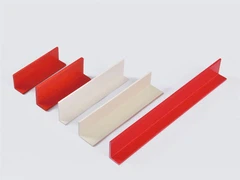

How to connect multiple sections of BMC Electrical Casing?
Jan 02, 2026
Leave a message
As a supplier of BMC Electrical Casing, I've witnessed firsthand the importance of correctly connecting multiple sections of this crucial component in electrical systems. In this blog, I'll share some in - depth knowledge and practical tips on how to achieve a reliable connection of multiple BMC Electrical Casing sections.
Understanding BMC Electrical Casing
Before delving into the connection process, it's essential to understand what BMC Electrical Casing is. BMC, or Bulk Molding Compound, is a high - performance composite material. BMC Electrical Casing made from this material offers excellent electrical insulation, mechanical strength, and resistance to heat and chemicals. These properties make it a popular choice for housing electrical components, protecting them from external factors and ensuring safe operation.
Pre - connection Preparations
Inspection
The first step in connecting multiple sections of BMC Electrical Casing is to conduct a thorough inspection. Check each section for any visible damage such as cracks, scratches, or deformities. Even minor damage can compromise the integrity of the casing and affect its performance. If any damaged sections are found, they should be replaced to ensure a proper connection.
Cleaning
Clean the surfaces of the casing sections that will be joined. Dust, dirt, and grease can prevent a good bond between the sections. Use a clean, dry cloth to wipe the surfaces, and if necessary, a mild solvent can be used for more stubborn contaminants. However, make sure the solvent is compatible with the BMC material to avoid any chemical reactions that could damage the casing.
Measuring and Marking
Accurate measurement is crucial for a proper connection. Measure the length, width, and height of each section to ensure they are the correct size and will fit together seamlessly. Mark the connection points on each section to guide the assembly process. This will help ensure that the sections are aligned correctly during connection.
Connection Methods
Mechanical Fastening
One of the most common methods for connecting multiple sections of BMC Electrical Casing is mechanical fastening. This can involve using screws, bolts, or clips.
- Screws and Bolts: Select the appropriate size and type of screws or bolts based on the thickness and strength requirements of the BMC material. Drill pilot holes in the casing sections at the marked connection points to prevent the material from cracking when the fasteners are inserted. Make sure the fasteners are tightened evenly to avoid uneven stress on the casing.
- Clips: Clips are a quick and easy way to connect the casing sections. They are available in various shapes and sizes, and some are specifically designed for BMC Electrical Casing. Simply snap the clips onto the casing sections at the connection points to hold them together. However, clips may not provide as strong a connection as screws or bolts, so they are more suitable for applications where the casing is not subject to high stress.
Adhesive Bonding
Adhesive bonding can also be used to connect BMC Electrical Casing sections. This method provides a seamless and strong connection, and it can also help to improve the overall waterproof and dust - proof performance of the casing.
- Selecting the Right Adhesive: Choose an adhesive that is specifically formulated for bonding BMC materials. Consider factors such as the curing time, strength, and flexibility of the adhesive. Some adhesives require a specific temperature and humidity range for proper curing, so make sure to follow the manufacturer's instructions.
- Application: Apply the adhesive evenly to the surfaces of the casing sections that will be joined. Use a brush or a dispenser to ensure a uniform layer of adhesive. Press the sections together firmly and hold them in place for the recommended curing time. It's important to keep the sections aligned during the curing process to ensure a proper connection.
Welding
In some cases, welding can be used to connect BMC Electrical Casing sections. This method is more suitable for thermoplastic BMC materials.
- Hot Plate Welding: In hot plate welding, a heated plate is used to melt the surfaces of the casing sections. The sections are then pressed together to form a bond as the melted material cools and solidifies. This method requires specialized equipment and precise temperature control to ensure a strong and consistent weld.
- Ultrasonic Welding: Ultrasonic welding uses high - frequency ultrasonic vibrations to generate heat at the joint between the casing sections. The heat melts the material, and when the vibrations stop, the sections are fused together. Ultrasonic welding is a fast and efficient method, but it also requires specific equipment and expertise.
Post - connection Checks
After connecting the multiple sections of BMC Electrical Casing, it's important to conduct post - connection checks to ensure the quality of the connection.


- Visual Inspection: Check the connection points for any visible gaps, misalignments, or signs of damage. Make sure the sections are joined smoothly and that there are no loose parts.
- Function Testing: If possible, perform a function test on the electrical components housed in the casing. Check for any electrical shorts, grounding issues, or other performance problems that could be caused by a faulty connection.
- Sealing Test: If the casing is designed to be waterproof or dust - proof, conduct a sealing test. This can involve submerging the casing in water (if applicable) or using a dust - testing chamber to check for any leaks.
Related Products for Connection
When connecting multiple sections of BMC Electrical Casing, some related products can enhance the connection and the overall performance of the casing. BMC Motor Wiring Terminal can be used to ensure a secure and reliable electrical connection within the casing. These terminals are made from high - quality BMC material, which offers excellent electrical insulation and mechanical strength.
BMC Group Material can also be used in combination with the casing sections. It can be used to fill gaps, reinforce the connection points, or provide additional insulation.
Conclusion
Connecting multiple sections of BMC Electrical Casing requires careful preparation, the right connection method, and thorough post - connection checks. Whether you choose mechanical fastening, adhesive bonding, or welding, following the proper procedures is essential to ensure a reliable and long - lasting connection. As a BMC Electrical Casing supplier, I'm committed to providing high - quality products and technical support to help you achieve the best results in your electrical projects.
If you're interested in purchasing BMC Electrical Casing or have any questions about the connection process, feel free to contact us for further discussion and procurement negotiation. We look forward to working with you to meet your electrical casing needs.
References
- "Bulk Molding Compound (BMC) Handbook", Publisher: ABC Publishing, Year: 2020
- "Electrical Casing Installation and Maintenance Guide", Publisher: XYZ Press, Year: 2021
- "Connection Technologies for Composite Materials", Publisher: DEF Publications, Year: 2019
Send Inquiry