





How does SMC material compare to acrylic in the bathroom?
Aug 29, 2025
Leave a message
When it comes to designing and outfitting a bathroom, one of the crucial decisions you'll face is choosing the right materials. Two popular options that often come into consideration are SMC (Sheet Molding Compound) material and acrylic. As a supplier of SMC Material Bathroom, I've had extensive experience with both materials and understand their unique characteristics, advantages, and drawbacks. In this blog post, I'll delve into a detailed comparison of SMC material and acrylic in the context of bathroom applications, helping you make an informed decision for your next project.
Physical Properties
Durability
SMC material is renowned for its exceptional durability. It is a composite material made from a combination of thermosetting resin, glass fibers, and various fillers. This composition gives SMC its high strength-to-weight ratio, making it resistant to impacts, scratches, and general wear and tear. In a bathroom environment, where there is constant exposure to water, steam, and potential impacts from toiletries or cleaning equipment, SMC can withstand these conditions without significant damage.
On the other hand, acrylic is a type of plastic that is relatively soft compared to SMC. While it is still durable to a certain extent, it is more prone to scratches and can be damaged more easily by sharp objects. Over time, the surface of acrylic may become dull and scratched, affecting its aesthetic appeal.
Water Resistance
Both SMC material and acrylic have good water resistance properties, which are essential in a bathroom setting. SMC material is inherently waterproof due to its resin matrix, which prevents water from penetrating into the material. This makes it an ideal choice for bathroom fixtures such as shower trays, bathtub surrounds, and wall panels, as it can effectively prevent water damage to the underlying structure.
Acrylic also has excellent water resistance and is commonly used in bathtub and shower enclosures. However, it is important to note that acrylic may absorb a small amount of water over time, especially if the surface is damaged or scratched. This can lead to discoloration and the growth of mold and mildew in some cases.
Heat Resistance
In a bathroom, there is often exposure to hot water and steam, so heat resistance is an important factor to consider. SMC material has a high heat deflection temperature, which means it can withstand high temperatures without deforming or melting. This makes it suitable for use in areas where hot water is likely to come into contact with the material, such as around the sink or shower.
Acrylic has a lower heat resistance compared to SMC. Prolonged exposure to high temperatures can cause acrylic to warp or crack, especially if the material is thin or of low quality. It is important to use caution when using hot items near acrylic surfaces to avoid damage.
Aesthetic Appeal
Appearance
SMC material can be molded into a variety of shapes and sizes, allowing for a high degree of design flexibility. It can have a smooth, glossy finish that gives a modern and sophisticated look to the bathroom. Additionally, SMC can be colored during the manufacturing process, so you can choose from a wide range of colors to match your bathroom decor.
Acrylic is known for its shiny and smooth surface, which gives it a luxurious appearance. It can be easily fabricated into different shapes, including curved and custom designs, making it a popular choice for high-end bathroom fixtures. Acrylic also has a high level of transparency, which can create a bright and spacious feel in the bathroom.
Maintenance
Maintaining the aesthetic appeal of your bathroom materials is important for keeping the space looking clean and inviting. SMC material is relatively easy to clean and maintain. Its smooth surface resists dirt and stains, and it can be cleaned with mild soap and water. Additionally, SMC is resistant to the growth of mold and mildew, which helps to keep the bathroom hygienic.
Acrylic requires more careful maintenance to keep its shiny appearance. It is important to use non-abrasive cleaners to avoid scratching the surface. Additionally, acrylic may require periodic polishing to maintain its luster. If not properly maintained, acrylic can become dull and scratched over time.
Cost
Initial Cost
The initial cost of SMC material and acrylic can vary depending on several factors, such as the quality, size, and complexity of the design. Generally, SMC material is more cost-effective than acrylic, especially for large-scale projects. SMC can be mass-produced using injection molding techniques, which reduces the manufacturing cost.
Acrylic, on the other hand, is often more expensive due to its higher material cost and the complexity of the fabrication process. Custom-designed acrylic fixtures can be particularly costly, as they require specialized equipment and skilled labor.
Long-Term Cost
When considering the long-term cost, it is important to take into account the durability and maintenance requirements of the materials. SMC material has a longer lifespan compared to acrylic, which means you may not need to replace it as often. Additionally, its low maintenance requirements can save you money on cleaning products and labor over time.

Acrylic may require more frequent replacement due to its susceptibility to scratches and damage. The cost of maintaining and repairing acrylic fixtures can also add up over time. Therefore, while the initial cost of acrylic may be higher, the long-term cost of using SMC material may be more economical.
Applications
SMC Material Applications
As a supplier of SMC Material Bathroom, I've seen SMC being used in a wide range of bathroom applications. Some of the common uses of SMC material in the bathroom include:
- Shower Trays: SMC shower trays are durable, waterproof, and easy to clean. They can be molded into different shapes and sizes to fit any shower enclosure.
- Bathtub Surrounds: SMC bathtub surrounds provide a protective barrier around the bathtub, preventing water damage to the walls. They can be customized to match the style of the bathroom.
- Wall Panels: SMC wall panels are a popular choice for bathroom walls due to their water resistance and ease of installation. They can add a modern and stylish look to the bathroom.
- Sink Vanities: SMC sink vanities are strong and durable, and they can be designed to accommodate different sink styles and sizes.
Acrylic Applications
Acrylic is commonly used in the following bathroom applications:
- Bathtubs: Acrylic bathtubs are known for their luxurious appearance and comfort. They can be molded into different shapes, including freestanding and built-in designs.
- Shower Enclosures: Acrylic shower enclosures are lightweight and easy to install. They can provide a watertight seal and a modern look to the shower area.
- Countertops: Acrylic countertops are smooth and easy to clean. They can be fabricated in different colors and patterns to match the bathroom decor.
Environmental Impact
Sustainability
In today's environmentally conscious world, sustainability is an important consideration when choosing bathroom materials. SMC material is a relatively sustainable option as it can be recycled at the end of its life cycle. Additionally, the manufacturing process of SMC produces less waste compared to some other materials.
Acrylic is a type of plastic, which is derived from petroleum. While acrylic can be recycled, the recycling process is more complex and less common compared to SMC. It is important to check with your local recycling facilities to see if they accept acrylic waste.
Conclusion
In conclusion, both SMC material and acrylic have their own advantages and disadvantages when it comes to bathroom applications. SMC material is more durable, water-resistant, and cost-effective in the long run, making it a great choice for most bathroom projects. It also has a high level of design flexibility and is relatively easy to maintain.
Acrylic, on the other hand, offers a luxurious appearance and a high level of transparency, which can create a bright and spacious feel in the bathroom. However, it is more prone to scratches and damage, and it requires more careful maintenance.
As a supplier of SMC Material Bathroom, I recommend considering SMC material for your next bathroom project. It provides a combination of durability, functionality, and aesthetic appeal at a reasonable cost. If you have any specific requirements or questions about SMC material or its applications in the bathroom, please feel free to contact me for a consultation. I'm here to help you make the best decision for your bathroom.
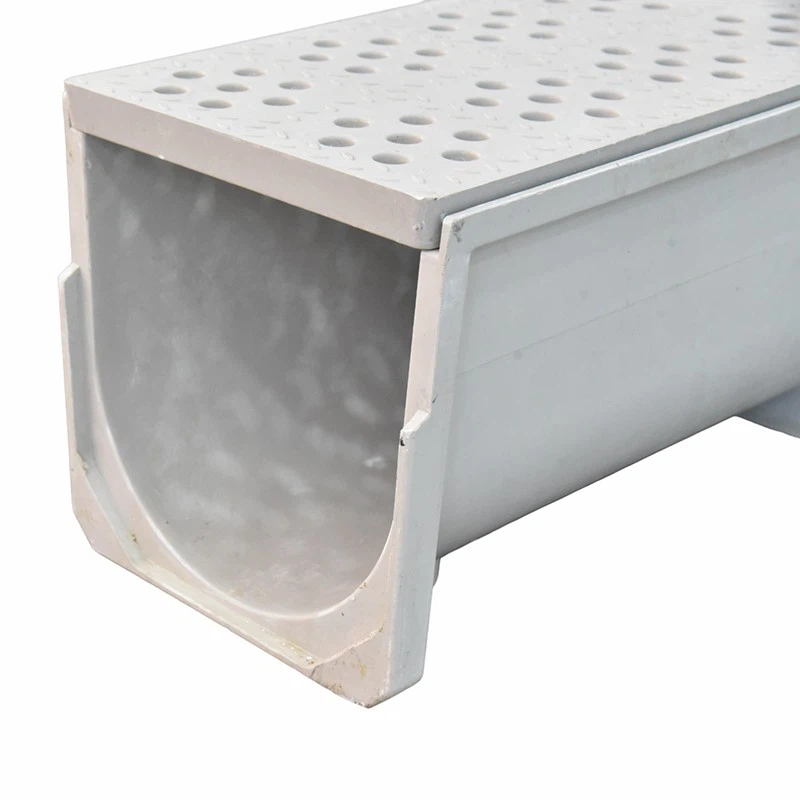
If you're interested in learning more about our SMC products, such as SMC Slope Protection Brick or SMC Gutter Groove Water Grate, please don't hesitate to reach out. We look forward to discussing your procurement needs and working with you on your next project.
References
- "Composite Materials Handbook" by ASM International
- "Plastics Engineering Handbook" by Carl Hanser Verlag
- Industry reports on bathroom materials and trends
Send Inquiry