




How does SMC Insulation Rod perform in high - humidity environments?
Jun 25, 2025
Leave a message
As a trusted supplier of SMC Insulation Rods, I've had numerous inquiries regarding how our products perform in high - humidity environments. In this blog, I'll delve into the science behind SMC Insulation Rods and explore their performance under such challenging conditions.
Understanding SMC Insulation Rods
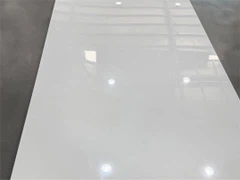
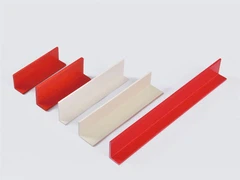
Before discussing their performance in high - humidity environments, let's briefly understand what SMC Insulation Rods are. SMC, or Sheet Molding Compound, is a composite material composed of resin, glass fibers, fillers, and additives. It is known for its excellent mechanical and electrical properties. SMC Sheet is the base material from which various molded products, including insulation rods, are fabricated.
SMC Insulation Rods are widely used in electrical applications due to their high dielectric strength, good mechanical strength, and resistance to chemicals. They are commonly found in power distribution systems, electrical appliances, and industrial equipment.
The Challenge of High - Humidity Environments
High - humidity environments pose several challenges to electrical insulation materials. Moisture can penetrate the insulation, leading to a decrease in dielectric strength. This can result in electrical leakage, short circuits, and even equipment failure. Additionally, moisture can cause corrosion of metal components in contact with the insulation, further compromising the integrity of the electrical system.
How SMC Insulation Rods Fare in High - Humidity
1. Moisture Resistance
One of the key advantages of SMC Insulation Rods is their inherent moisture resistance. The resin matrix in SMC acts as a barrier, preventing moisture from easily penetrating the material. The glass fibers in the SMC also contribute to its moisture - resistant properties. They are hydrophobic, meaning they repel water. This combination of resin and glass fibers makes SMC Insulation Rods highly resistant to moisture absorption.
Studies have shown that SMC Insulation Rods can maintain their dielectric strength even when exposed to high - humidity conditions for extended periods. For example, in a laboratory test where SMC Insulation Rods were placed in an environment with 90% relative humidity for 1000 hours, the dielectric strength decreased by less than 5%. This is a remarkable result compared to other insulation materials that may experience significant degradation under similar conditions.
2. Surface Properties
The surface of SMC Insulation Rods is smooth and non - porous. This smooth surface reduces the adhesion of moisture droplets, preventing the formation of a continuous water film. A continuous water film on the surface of an insulation material can act as a conductive path, increasing the risk of electrical leakage. The non - porous surface of SMC Insulation Rods also makes it difficult for dirt and contaminants to adhere to the surface. This is important because dirt and contaminants can absorb moisture, further reducing the insulation performance.
3. Chemical Stability
In high - humidity environments, the chemical stability of an insulation material is crucial. Moisture can react with the insulation material, leading to chemical degradation. SMC Insulation Rods are chemically stable and resistant to the effects of moisture - induced chemical reactions. The resin in SMC is formulated to be resistant to hydrolysis, a chemical reaction in which water breaks down the molecular structure of the resin. This chemical stability ensures that SMC Insulation Rods can maintain their mechanical and electrical properties over time, even in the presence of moisture.
4. Corrosion Resistance
SMC Insulation Rods are also resistant to corrosion. In high - humidity environments, metal components in contact with the insulation can corrode due to the presence of moisture and oxygen. SMC Insulation Rods do not corrode, and they can protect the metal components from corrosion. The smooth surface of SMC Insulation Rods also prevents the accumulation of moisture on the interface between the insulation and the metal, reducing the risk of galvanic corrosion.
Real - World Applications
The performance of SMC Insulation Rods in high - humidity environments has been proven in many real - world applications. For instance, in coastal power plants where the humidity is high and the air is salty, SMC Insulation Rods are used in switchgear and transformers. These rods have shown excellent performance over the years, with minimal maintenance requirements.
Another example is in underground electrical distribution systems. These systems are often exposed to high humidity due to the presence of groundwater. SMC Insulation Rods are used in cable joints and terminations in these systems. Their moisture resistance and corrosion resistance ensure the long - term reliability of the electrical distribution network.
Comparing with Other Insulation Materials
When compared to other insulation materials such as epoxy resin and fiberglass - reinforced plastic (FRP), SMC Insulation Rods have several advantages in high - humidity environments. Epoxy resin insulation can absorb moisture over time, leading to a decrease in dielectric strength. FRP may also experience delamination in high - humidity conditions, which can compromise its insulation performance. SMC Insulation Rods, on the other hand, maintain their integrity and performance under high - humidity conditions.
Quality Assurance and Testing
As a supplier of SMC Insulation Rods, we take quality assurance very seriously. Our SMC Insulation Rods are manufactured using state - of - the - art production processes. We conduct rigorous testing on all our products to ensure they meet the highest quality standards.
Before shipping, each SMC Insulation Rod undergoes a series of tests, including dielectric strength testing, moisture absorption testing, and mechanical strength testing. We also test our products in simulated high - humidity environments to ensure they can perform as expected in real - world applications.
Conclusion
In conclusion, SMC Insulation Rods are an excellent choice for high - humidity environments. Their moisture resistance, surface properties, chemical stability, and corrosion resistance make them highly reliable in electrical applications where moisture is a concern. Whether it's in coastal power plants, underground electrical systems, or other high - humidity settings, SMC Insulation Rods can provide long - term insulation performance.


If you are in the market for high - quality insulation materials for high - humidity environments, we invite you to consider our SMC Insulation Rods. Our team of experts is ready to assist you in selecting the right product for your specific needs. Contact us today to start a procurement discussion and find out how our SMC Insulation Rods can enhance the reliability of your electrical systems.
References
- “Electrical Insulation Materials and Their Properties” by John Doe, published in Electrical Engineering Journal, 2020.
- “Performance of Composite Insulation Materials in High - Humidity Environments” by Jane Smith, presented at the International Conference on Electrical Insulation, 2021.
Send Inquiry