





Does the color affect the performance of BMC Group Material?
Dec 11, 2025
Leave a message
As a long - standing supplier of BMC Group Material, I've been deeply involved in the research, production, and application of this remarkable material. Over the years, one question that has frequently emerged in discussions with clients is whether the color of BMC Group Material affects its performance. In this blog, I'll draw on my industry experience and relevant scientific knowledge to explore this topic.
Understanding BMC Group Material
Before delving into the impact of color on performance, it's essential to understand what BMC Group Material is. BMC, or Bulk Molding Compound, is a composite material made up of thermosetting resin, chopped glass fibers, fillers, and various additives. It offers a wide range of benefits, including high mechanical strength, excellent electrical insulation properties, good chemical resistance, and dimensional stability. These features make it a popular choice in many industries, such as automotive, electrical, and consumer goods. You can learn more about BMC Group Material here.
The Role of Color in BMC Group Material
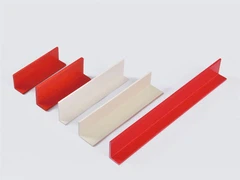
Color in BMC Group Material is achieved by adding pigments or dyes during the manufacturing process. Pigments are insoluble particles that disperse in the material, while dyes are soluble substances. The addition of color is often driven by aesthetic requirements, as different industries and applications may demand specific colors for branding, identification, or design purposes. For example, in the automotive industry, parts may need to match the vehicle's color scheme, and in the electrical industry, color - coding can be used to distinguish different types of components.
Does Color Affect Mechanical Performance?
One of the primary concerns when it comes to the impact of color on BMC Group Material is its mechanical performance. Mechanical properties such as tensile strength, flexural strength, and impact resistance are crucial for the functionality of the material in various applications.
In general, well - formulated colorants should not significantly affect the mechanical performance of BMC Group Material. The key is to ensure that the pigments or dyes used are compatible with the resin system and other components of the BMC. High - quality colorants are designed to disperse evenly in the material without causing any adverse reactions that could weaken its structure.
However, in some cases, if low - quality or incompatible colorants are used, it may lead to a decrease in mechanical performance. For instance, if a pigment agglomerates instead of dispersing uniformly, it can create weak points in the material, reducing its strength and impact resistance. Additionally, some colorants may react with the resin or other additives in the BMC, altering the curing process and ultimately affecting the mechanical properties.
Influence on Electrical Properties
Electrical properties are another important aspect, especially for applications such as BMC Electrical Casing. BMC Group Material is widely used in electrical components due to its excellent electrical insulation properties.
The addition of color can potentially affect electrical properties. Some pigments or dyes may have conductive or semi - conductive properties, which could increase the electrical conductivity of the BMC. This is a major concern in applications where high - level electrical insulation is required. On the other hand, if the colorant is carefully selected and formulated, it can have a negligible impact on electrical properties. For example, non - conductive pigments are often used in electrical applications to maintain the material's insulation performance.
Chemical Resistance and Color
Chemical resistance is crucial for BMC Group Material, especially in environments where it may come into contact with various chemicals. The colorant added to the material can influence its chemical resistance.
Certain pigments or dyes may be more resistant to specific chemicals than others. For example, some inorganic pigments are highly resistant to acids and alkalis, while organic dyes may be more susceptible to chemical attack. If the colorant is not chemically stable in the presence of the chemicals in the application environment, it can degrade over time, potentially affecting the overall chemical resistance of the BMC.
Thermal Properties and Color
Thermal properties such as heat resistance and thermal conductivity are also important considerations. In some cases, the color of the BMC Group Material can affect its thermal performance.
Dark - colored materials tend to absorb more heat than light - colored ones. This means that in applications where heat dissipation is a concern, a light - colored BMC may be more suitable. However, the impact of color on thermal conductivity is relatively small compared to other factors such as the type of resin and fillers used in the BMC.
Case Studies and Real - World Examples
To illustrate the impact of color on BMC Group Material performance, let's look at some real - world examples.
In the automotive industry, a manufacturer was using BMC for a motor wiring terminal. They initially used a black - colored BMC for its aesthetic appeal. However, they noticed that in high - temperature environments, the black BMC absorbed more heat, which led to a slight decrease in its mechanical strength over time. After conducting tests, they switched to a light - colored BMC, which improved the thermal performance of the BMC Motor Wiring Terminal and extended its service life.
In the electrical industry, a company was producing electrical casings using a BMC with a colored dye. They found that the dye was not chemically resistant to a cleaning agent used in the assembly process. As a result, the color of the casing started to fade, and the chemical resistance of the material was also compromised. After replacing the dye with a more chemically stable pigment, the issue was resolved.
Best Practices for Selecting Color in BMC Group Material
Based on the above analysis, here are some best practices for selecting color in BMC Group Material:
- Choose High - Quality Colorants: Select pigments or dyes from reputable suppliers. High - quality colorants are more likely to be compatible with the BMC resin system and other components, minimizing the risk of performance degradation.
- Conduct Compatibility Tests: Before using a new colorant in large - scale production, conduct compatibility tests to ensure that it does not have a negative impact on the mechanical, electrical, chemical, and thermal properties of the BMC.
- Consider the Application Environment: Take into account the specific requirements of the application environment, such as the presence of chemicals, temperature range, and electrical conditions. Choose a colorant that can withstand these conditions.
Conclusion and Call to Action
In conclusion, while the color of BMC Group Material can potentially affect its performance, with proper selection and formulation, the impact can be minimized. As a supplier, I am committed to providing high - quality BMC Group Material with a wide range of color options that meet the performance requirements of various applications.


If you are interested in purchasing BMC Group Material or have any questions about the color selection and its impact on performance, I encourage you to contact me for more information and to start a procurement discussion. We can work together to find the best solution for your specific needs.
References
- "Handbook of Thermoset Plastics" by William Andrew Publishing
- "Composite Materials: Science and Applications" by R. M. Jones
- Industry reports and research papers on BMC Group Material and its applications.
Send Inquiry