


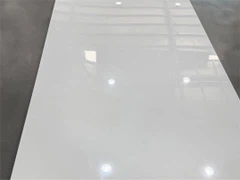


Do flame retardant ceilings fade over time?
Nov 13, 2025
Leave a message
Over the years, as a dedicated supplier of Flame Retardant Ceilings, I've encountered numerous inquiries from customers regarding the longevity and performance of these essential building materials. One question that frequently surfaces is: "Do flame retardant ceilings fade over time?" In this blog post, I'll delve into the science behind flame retardant ceilings, explore the factors that could potentially lead to fading, and provide insights on how to maintain their aesthetic appeal and functionality.
Understanding Flame Retardant Ceilings
Flame retardant ceilings are designed to slow down or prevent the spread of fire, providing valuable time for evacuation and minimizing property damage in the event of a fire. These ceilings are typically made from materials that have been treated with flame retardant chemicals, which can either be incorporated into the material during the manufacturing process or applied as a coating.
One popular type of flame retardant ceiling is the Fireproof Ceiling, which is known for its high fire resistance and durability. These ceilings are often used in commercial buildings, public spaces, and residential properties where fire safety is a top priority.
Factors That Can Cause Fading
While flame retardant ceilings are designed to be long-lasting and resistant to fire, they are not immune to the effects of time and environmental factors. Several factors can contribute to the fading of flame retardant ceilings over time:
Exposure to Sunlight
Ultraviolet (UV) rays from the sun can cause the pigments in the ceiling material to break down, leading to fading. This is especially true for ceilings that are installed in areas with direct sunlight, such as near windows or skylights. To minimize the impact of sunlight, it's recommended to use curtains, blinds, or UV-blocking films to protect the ceiling.
Chemical Exposure
Exposure to certain chemicals, such as cleaning agents, solvents, and pollutants, can also cause fading. Harsh chemicals can react with the ceiling material and damage the pigments, resulting in a loss of color. When cleaning flame retardant ceilings, it's important to use mild, non-abrasive cleaners and follow the manufacturer's instructions.
Humidity and Moisture
High humidity and moisture levels can create a conducive environment for mold and mildew growth, which can stain and discolor the ceiling. Additionally, moisture can cause the ceiling material to warp or swell, leading to a change in appearance. To prevent moisture-related issues, it's important to maintain proper ventilation in the room and address any leaks or water damage promptly.
Age and Wear
Like any other building material, flame retardant ceilings will naturally age over time. With regular use and exposure to various environmental factors, the ceiling may start to show signs of wear and tear, including fading. While this is a normal part of the aging process, proper maintenance can help extend the lifespan of the ceiling and minimize the effects of aging.
Preventing Fading and Maintaining Appearance
To keep your flame retardant ceilings looking their best and prevent fading, here are some tips and best practices:
Choose High-Quality Materials
Investing in high-quality flame retardant ceilings from a reputable supplier is the first step in ensuring long-lasting performance and color retention. Look for ceilings that are made from durable materials and have been tested for fire resistance and colorfastness.


Proper Installation
Proper installation is crucial for the longevity and appearance of flame retardant ceilings. Make sure to hire a professional installer who has experience working with this type of ceiling and follows the manufacturer's installation guidelines. A well-installed ceiling will be more resistant to damage and fading.
Regular Cleaning and Maintenance
Regular cleaning and maintenance are essential for keeping flame retardant ceilings in good condition. Use a soft, dry cloth or a vacuum cleaner with a soft brush attachment to remove dust and debris from the ceiling. Avoid using abrasive cleaners or scrubbing too hard, as this can damage the ceiling material.
Protect from Sunlight
As mentioned earlier, sunlight can cause fading, so it's important to protect your ceilings from direct sunlight. Use curtains, blinds, or UV-blocking films to block out UV rays and reduce the amount of sunlight that reaches the ceiling.
Address Issues Promptly
If you notice any signs of damage, such as stains, discoloration, or warping, it's important to address them promptly. Ignoring these issues can lead to further damage and may require more extensive repairs or replacement. Contact a professional ceiling contractor to assess the damage and recommend the best course of action.
Conclusion
In conclusion, while flame retardant ceilings can fade over time due to various factors, proper maintenance and care can help minimize the effects of fading and keep the ceiling looking its best. By choosing high-quality materials, installing the ceiling correctly, protecting it from sunlight and chemicals, and addressing any issues promptly, you can ensure that your flame retardant ceiling remains a functional and aesthetically pleasing part of your building for years to come.
If you're interested in learning more about our Flame Retardant Ceilings or have any questions about fire safety and ceiling maintenance, please don't hesitate to contact us. We're here to provide you with the information and support you need to make the right decisions for your project.
References
- ASTM International. (2023). Standard Test Methods for Determining the Comparative Burning Characteristics and Measuring the Rate of Flame Spread of Textile Floor Covering Systems. ASTM D2859-23.
- National Fire Protection Association. (2023). NFPA 101: Life Safety Code. Quincy, MA: NFPA.
- United States Environmental Protection Agency. (2023). Indoor Air Quality Tools for Schools Action Kit. Washington, DC: EPA.
Send Inquiry