


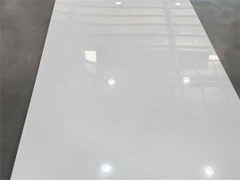



Can I use a flame retardant ceiling in a basement?
May 20, 2025
Leave a message
Can I use a flame retardant ceiling in a basement?
As a supplier of Flame Retardant Ceiling, I often receive inquiries from customers about the suitability of using our products in basements. Basements are unique spaces with their own set of environmental conditions and safety requirements, so it's crucial to understand whether a flame retardant ceiling is a good fit for this area. In this blog post, I'll explore the factors to consider when deciding to use a flame retardant ceiling in a basement and explain why our product can be an excellent choice.
Understanding the characteristics of basements
Basements typically have distinct environmental characteristics that differ from other parts of a building. One of the most prominent features is the potential for high humidity levels. Since basements are below ground level, they are more susceptible to moisture seepage from the surrounding soil. This can lead to issues such as mold growth, musty odors, and damage to building materials over time.

Another aspect is the limited natural ventilation. Basements often have fewer windows and air circulation compared to upper floors, which can result in poor air quality and the accumulation of pollutants. Additionally, in the event of a fire, the lack of proper ventilation can cause smoke to linger and spread more rapidly, posing a greater risk to occupants.
The importance of flame retardant materials in basements
Fire safety is a critical concern in any building, and basements are no exception. Given the limited escape routes and potential for rapid smoke spread, having flame retardant materials in the basement can significantly enhance the safety of the space. A Flame Retardant Ceiling is designed to slow down the spread of fire, giving occupants more time to evacuate and reducing the overall damage caused by a fire.
Flame retardant ceilings are made with special chemicals or additives that inhibit combustion. When exposed to fire, these materials either do not ignite easily or burn at a much slower rate compared to regular ceiling materials. This can prevent the fire from quickly engulfing the entire basement and spreading to other parts of the building.

Advantages of using a flame retardant ceiling in a basement
- Fire protection: As mentioned earlier, the primary advantage of a flame retardant ceiling is its ability to resist fire. In a basement where fire can spread quickly due to limited ventilation, this added layer of protection can be life - saving.
- Moisture resistance: Many flame retardant ceilings are also designed to be moisture - resistant. This is crucial in basements where high humidity levels can cause traditional ceiling materials to warp, rot, or develop mold. Our Flame Retardant Ceiling is engineered to withstand moisture, ensuring its durability in a basement environment.
- Sound insulation: Basements are often used for various purposes, such as home theaters, gyms, or storage areas. A flame retardant ceiling can also provide sound insulation, reducing noise transfer between the basement and the upper floors. Our Soundproof Ceiling Panel is an option that combines fire - retardant properties with excellent sound - absorbing capabilities.
- Aesthetic appeal: In addition to their functional benefits, flame retardant ceilings can enhance the aesthetic appeal of a basement. They come in a variety of styles, colors, and textures, allowing you to create a finished look that suits your taste and the overall design of your home.
Considerations before installation
- Building codes: Before installing a flame retardant ceiling in your basement, it's essential to check local building codes. Some areas may have specific requirements regarding the type of materials that can be used in basements, especially in terms of fire safety and moisture resistance.
- Ventilation improvement: While a flame retardant ceiling can help with fire safety, it's also important to address the ventilation issue in the basement. Proper ventilation can reduce humidity levels, improve air quality, and prevent the buildup of harmful gases in case of a fire. You may need to install additional vents or a ventilation system to ensure adequate air circulation.
- Installation method: The installation of a flame retardant ceiling in a basement may require some special considerations. Since basements often have uneven floors and walls, proper installation techniques are necessary to ensure a secure and level ceiling. It's recommended to hire a professional installer who has experience working in basements.
Other related products for basements
In addition to our Flame Retardant Ceiling, we also offer other products that can be beneficial for basements. The GFK Antibacterial Board is a great option for areas where hygiene is a concern. It has antibacterial properties that can help prevent the growth of bacteria and mold, which is especially important in a basement environment with high humidity.
Our Soundproof Ceiling Panel can be used not only for sound insulation but also for its fire - retardant features. Whether you're using the basement as a quiet study area or a home entertainment space, this panel can provide the necessary acoustic and fire protection.

Conclusion
In conclusion, using a flame retardant ceiling in a basement is a wise decision for several reasons. It provides essential fire protection, can withstand the high - humidity conditions typical of basements, offers sound insulation, and enhances the overall aesthetic of the space. However, it's important to consider local building codes, ventilation, and proper installation methods before proceeding with the installation.
If you're interested in purchasing a Flame Retardant Ceiling or any of our other products for your basement, we invite you to contact us for more information and to discuss your specific requirements. Our team of experts is ready to assist you in making the best choice for your basement project.

References
- National Fire Protection Association (NFPA). Fire codes and standards related to basement construction and materials.
- Building Science Corporation. Research on basement moisture management and fire safety.
Send Inquiry