




Can GFK Antibacterial Board be used in clean rooms?
Nov 25, 2025
Leave a message
As a supplier of GFK Antibacterial Board, I often receive inquiries about its applicability in clean rooms. Clean rooms are specialized environments where strict control of airborne particles, microorganisms, and other contaminants is essential. These facilities are widely used in industries such as pharmaceuticals, biotechnology, electronics manufacturing, and food processing. In this blog post, I will explore whether GFK Antibacterial Board can be used in clean rooms, considering its properties, advantages, and potential limitations.
Properties of GFK Antibacterial Board
GFK Antibacterial Board is a composite material made of glass fiber reinforced plastic (GRP) with an antibacterial agent incorporated into its structure. This combination provides several key properties that make it a promising candidate for clean room applications:
- Antibacterial Performance: The primary feature of GFK Antibacterial Board is its ability to inhibit the growth of bacteria, fungi, and other microorganisms. The antibacterial agent works by disrupting the cell membranes of these pathogens, preventing their reproduction and survival on the surface of the board. This property is crucial in clean rooms, where maintaining a low microbial count is essential to prevent contamination of products and processes.
- Chemical Resistance: GFK Antibacterial Board exhibits excellent resistance to a wide range of chemicals, including acids, alkalis, solvents, and disinfectants. This makes it suitable for use in clean rooms where frequent cleaning and disinfection are required to maintain a sterile environment. The board can withstand the harsh chemicals used in these processes without deteriorating or releasing harmful substances.
- Mechanical Strength: Glass fiber reinforcement gives GFK Antibacterial Board high mechanical strength and stiffness. It can withstand heavy loads, impacts, and vibrations without cracking or deforming. This makes it suitable for use in clean rooms where the walls, ceilings, and floors may be subjected to mechanical stress during normal operation or maintenance.
- Fire Resistance: GFK Antibacterial Board is inherently fire-resistant, with a high ignition temperature and low flammability. It does not contribute to the spread of fire and can help prevent the rapid spread of flames in the event of a fire outbreak. This is an important safety feature in clean rooms, where the presence of flammable materials and electrical equipment increases the risk of fire.
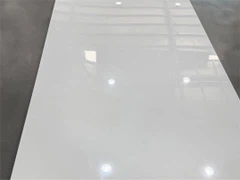
- Low Maintenance: GFK Antibacterial Board is easy to clean and maintain. Its smooth surface prevents the accumulation of dirt, dust, and microorganisms, making it easy to wipe clean with a damp cloth or a mild detergent. The board does not require frequent painting or coating, reducing maintenance costs and downtime.
Advantages of Using GFK Antibacterial Board in Clean Rooms
Based on its properties, GFK Antibacterial Board offers several advantages for use in clean rooms:
- Microbial Control: The antibacterial properties of GFK Antibacterial Board help to maintain a low microbial count in clean rooms, reducing the risk of product contamination and cross-contamination between different processes. This is particularly important in industries such as pharmaceuticals and biotechnology, where strict microbial control is required to ensure the safety and efficacy of products.
- Chemical Compatibility: The chemical resistance of GFK Antibacterial Board allows it to be used in clean rooms where a variety of chemicals are used for cleaning, disinfection, and processing. The board can withstand the harsh chemicals without deteriorating or releasing harmful substances, ensuring the integrity of the clean room environment.
- Durability and Longevity: The high mechanical strength and stiffness of GFK Antibacterial Board make it a durable and long-lasting material for clean room construction. It can withstand the rigors of daily use and maintenance without cracking, deforming, or wearing out. This reduces the need for frequent repairs and replacements, saving time and money in the long run.
- Safety: The fire resistance of GFK Antibacterial Board provides an additional layer of safety in clean rooms. In the event of a fire, the board does not contribute to the spread of flames, helping to prevent the rapid spread of fire and protect the occupants and equipment in the clean room.
- Aesthetics: GFK Antibacterial Board is available in a variety of colors and finishes, allowing it to be customized to match the design and aesthetic requirements of the clean room. The smooth, non-porous surface of the board gives it a clean and professional appearance, enhancing the overall look and feel of the clean room environment.
Potential Limitations of Using GFK Antibacterial Board in Clean Rooms
While GFK Antibacterial Board offers many advantages for use in clean rooms, there are also some potential limitations that need to be considered:


- Cost: GFK Antibacterial Board is generally more expensive than traditional building materials such as drywall or painted concrete. The higher cost is due to the additional manufacturing processes involved in incorporating the antibacterial agent and the glass fiber reinforcement. However, the long-term benefits of using GFK Antibacterial Board, such as reduced maintenance costs and improved microbial control, may outweigh the initial investment.
- Installation Requirements: GFK Antibacterial Board requires specialized installation techniques and equipment. The boards need to be cut, shaped, and joined together using appropriate adhesives and fasteners to ensure a tight and seamless fit. Improper installation can lead to gaps, joints, and seams that can harbor dirt, dust, and microorganisms, compromising the cleanliness of the clean room.
- Surface Finish: The smooth surface of GFK Antibacterial Board can be prone to scratching and scuffing, especially in high-traffic areas or areas where heavy equipment is used. Scratches and scuffs can create small crevices and pores where dirt, dust, and microorganisms can accumulate, reducing the effectiveness of the antibacterial properties of the board. Regular maintenance and cleaning are required to prevent scratches and scuffs and maintain the smooth surface of the board.
- Environmental Impact: The production of GFK Antibacterial Board involves the use of glass fibers and chemical resins, which can have a negative impact on the environment. The disposal of GFK Antibacterial Board at the end of its life cycle also poses a challenge, as it is not easily recyclable. However, some manufacturers are taking steps to reduce the environmental impact of their products by using recycled materials and developing more sustainable manufacturing processes.
Case Studies of GFK Antibacterial Board in Clean Room Applications
To illustrate the practical use of GFK Antibacterial Board in clean rooms, let's look at some case studies:
- Pharmaceutical Manufacturing Facility: A pharmaceutical manufacturing facility was looking for a material to replace the existing drywall partitions in its clean rooms. The drywall was prone to mold growth and was difficult to clean and disinfect, leading to frequent contamination issues. The facility decided to use GFK Antibacterial Board for the new partitions. The antibacterial properties of the board helped to reduce the microbial count in the clean rooms, and the chemical resistance of the board allowed it to withstand the frequent cleaning and disinfection processes. The smooth surface of the board also made it easy to clean and maintain, reducing the risk of contamination.
- Electronics Manufacturing Facility: An electronics manufacturing facility was experiencing problems with static electricity and dust accumulation in its clean rooms. The existing flooring material was not static dissipative and was difficult to clean, leading to product defects and equipment failures. The facility decided to use GFK Antibacterial Board for the new flooring. The board was treated with a static dissipative coating to reduce static electricity, and the antibacterial properties of the board helped to prevent the growth of bacteria and fungi on the floor. The smooth surface of the board also made it easy to clean and maintain, reducing the risk of dust accumulation.
- Food Processing Facility: A food processing facility was looking for a material to replace the existing stainless steel panels in its clean rooms. The stainless steel panels were prone to corrosion and were difficult to clean and disinfect, leading to food safety issues. The facility decided to use GFK Antibacterial Board for the new panels. The antibacterial properties of the board helped to reduce the microbial count in the clean rooms, and the chemical resistance of the board allowed it to withstand the frequent cleaning and disinfection processes. The smooth surface of the board also made it easy to clean and maintain, reducing the risk of food contamination.
Conclusion
In conclusion, GFK Antibacterial Board can be a suitable material for use in clean rooms, thanks to its antibacterial performance, chemical resistance, mechanical strength, fire resistance, and low maintenance requirements. However, it is important to consider the potential limitations of using GFK Antibacterial Board, such as cost, installation requirements, surface finish, and environmental impact. By carefully evaluating the specific requirements of the clean room and working with a reputable supplier and installer, it is possible to select the right type of GFK Antibacterial Board and ensure its proper installation and maintenance.
If you are interested in using GFK Antibacterial Board in your clean room project, I encourage you to contact us for more information. We are a leading supplier of GFK Antibacterial Board and have extensive experience in providing solutions for clean room applications. Our team of experts can help you select the right type of board, provide installation and maintenance guidance, and answer any questions you may have. Contact us today to start the conversation and explore how GFK Antibacterial Board can benefit your clean room project.
References
- "Clean Room Design and Operation" by William D. Griffiths
- "Antibacterial Materials and Their Applications" by Yvonne L. Sheppard
- "Glass Fiber Reinforced Plastics: Properties and Applications" by John Summerscales
Note: The links to Insulator, SMC Meter Box, and SMC Natural Gas Tank can be inserted at appropriate places within the text where relevant information about these products can be related to the overall discussion about GFK Antibacterial Board and clean rooms, such as when talking about related composite materials or potential complementary products in a clean - room environment. For example, "In addition to GFK Antibacterial Board, other composite materials like Insulator can also play important roles in clean room electrical systems."
Send Inquiry