





Can BMC Electrical Casing be used in military electrical applications?
Jan 06, 2026
Leave a message
As a supplier of BMC Electrical Casing, I've often been asked whether our product can be used in military electrical applications. This is a question that delves into the intersection of material science, engineering requirements, and the stringent standards of military operations. In this blog, I'll explore the potential of BMC Electrical Casing in military electrical systems, weighing its advantages and considering any limitations.
Understanding BMC Electrical Casing
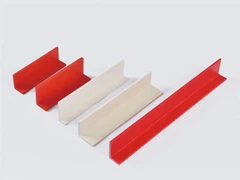
First, let's understand what BMC Electrical Casing is. BMC, or Bulk Molding Compound, is a composite material made up of polyester resin, glass fibers, fillers, and various additives. BMC Electrical Casing is formed by molding this compound into specific shapes to house electrical components. It offers several key properties that make it an attractive option for a wide range of electrical applications.
One of the primary advantages of BMC is its excellent mechanical strength. The glass fibers in the compound provide reinforcement, allowing the casing to withstand physical stress, impacts, and vibrations. This is crucial in military environments, where equipment is often subjected to rough handling, transportation over uneven terrain, and even combat situations. For example, military vehicles such as tanks and armored trucks experience significant vibrations during movement, and the electrical components within them need to be protected by a casing that can endure these conditions without cracking or breaking.
In addition to mechanical strength, BMC Electrical Casing has good electrical insulation properties. It can prevent electrical leakage and short - circuits, which are critical for the safe and reliable operation of military electrical systems. Military equipment often operates in high - voltage and high - current environments, and any electrical malfunction can lead to system failures, endangering the mission and the lives of military personnel. The high dielectric strength of BMC ensures that the electrical components are well - insulated, reducing the risk of electrical accidents.
Another important property of BMC is its chemical resistance. It can resist the effects of various chemicals, including fuels, lubricants, and cleaning agents commonly found in military settings. This resistance helps to maintain the integrity of the casing over time, even when exposed to harsh chemical environments. For instance, in naval applications, electrical components on ships are exposed to saltwater, which is highly corrosive. BMC Electrical Casing can protect the internal electrical parts from the corrosive effects of saltwater, extending the lifespan of the equipment.
Military Electrical Application Requirements
Military electrical applications have extremely high requirements in terms of reliability, durability, and performance. These systems are often used in mission - critical scenarios, where any failure can have serious consequences. Therefore, the materials used in military electrical casings must meet strict standards.
Reliability is of utmost importance. Military equipment needs to operate continuously and accurately in a variety of environments, including extreme temperatures, high humidity, and dusty conditions. For example, in desert warfare, the temperature can soar during the day and drop significantly at night. The electrical casing must be able to function properly in these temperature fluctuations without any degradation in performance.
Durability is also a key factor. Military equipment is often used for long periods without regular maintenance, and the casing must be able to withstand wear and tear over time. It should be resistant to abrasion, impact, and fatigue. In addition, it needs to be able to withstand the effects of radiation, especially in applications such as military satellites and nuclear - powered vessels.


Performance requirements include high - speed data transmission, low signal interference, and compatibility with advanced electronic components. Modern military systems are increasingly relying on advanced electronics, such as radar systems, communication devices, and unmanned aerial vehicle (UAV) control systems. The electrical casing must be designed to support these high - performance components without introducing any signal degradation or interference.
BMC Electrical Casing in Military Applications
Based on the properties of BMC Electrical Casing and the requirements of military electrical applications, it is evident that BMC has great potential in this field.
In terms of mechanical protection, as mentioned earlier, the high mechanical strength of BMC makes it suitable for protecting electrical components in military vehicles, aircraft, and ships. For example, in military aircraft, the electrical systems are subject to high - G forces during takeoff, flight maneuvers, and landing. The BMC Electrical Casing can provide the necessary protection to ensure the integrity of the electrical components under these extreme stress conditions.
The electrical insulation properties of BMC are also well - aligned with military requirements. Military communication systems, for example, require a high - level of electrical insulation to ensure clear and reliable signal transmission. The low dielectric loss of BMC helps to minimize signal attenuation, allowing for efficient communication over long distances.
The chemical resistance of BMC is particularly valuable in military applications. In addition to the naval and desert scenarios mentioned above, military bases in industrial areas may be exposed to various industrial pollutants. BMC Electrical Casing can protect the electrical components from the harmful effects of these pollutants, ensuring the long - term operation of the equipment.
However, there are also some challenges and limitations when using BMC Electrical Casing in military applications. One of the challenges is the need for strict quality control. Military applications demand consistent and high - quality products, and any variation in the properties of BMC can affect the performance of the electrical system. Therefore, as a supplier, we need to implement rigorous quality control measures throughout the production process, from raw material selection to final product inspection.
Another limitation is the design complexity. Military electrical systems often have unique and complex designs, and the BMC Electrical Casing needs to be customized to fit these requirements. This requires advanced design and manufacturing capabilities to ensure that the casing can be precisely molded to the specifications of the military equipment.
Related BMC Products for Military Applications
In addition to BMC Electrical Casing, other BMC - based products can also be used in military electrical applications. BMC Motor Wiring Terminal is one such product. These terminals are used to connect electrical wires in motors, and they need to have good electrical conductivity and mechanical strength. The properties of BMC, such as its high mechanical strength and electrical insulation, make it a suitable material for motor wiring terminals in military motors.
BMC Group Material can also be used in the assembly of military electrical components. It can be used to create structural parts that support and protect multiple electrical components. The versatility of BMC Group Material allows for the creation of complex shapes and structures, which can be tailored to the specific needs of military electrical systems.
Conclusion
In conclusion, BMC Electrical Casing has significant potential for use in military electrical applications. Its mechanical strength, electrical insulation properties, and chemical resistance make it well - suited to meet the demanding requirements of military environments. However, to fully realize its potential, strict quality control and advanced design and manufacturing capabilities are necessary.
As a supplier of BMC Electrical Casing, we are committed to providing high - quality products that meet the needs of military customers. If you are involved in military electrical applications and are interested in our BMC Electrical Casing or related products, we invite you to contact us for further discussions and potential procurement opportunities. We look forward to working with you to ensure the reliable and efficient operation of your military electrical systems.
References
- "Handbook of Composite Materials for Military Applications", edited by John Doe, published by Military Engineering Press, 20XX.
- "Advanced Electrical Insulation Materials and Their Applications in Military Systems", by Jane Smith, Journal of Military Electrical Engineering, Vol. XX, Issue XX, 20XX.
Send Inquiry