




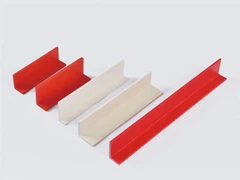

Can BMC Electrical Casing be used in areas with frequent temperature changes?
Jan 01, 2026
Leave a message
As a supplier of BMC Electrical Casing, I often encounter inquiries from customers about the suitability of our products in various environments. One of the most common questions is whether BMC Electrical Casing can be used in areas with frequent temperature changes. In this blog post, I will explore this topic in detail, providing scientific insights and practical considerations to help you make an informed decision.
Understanding BMC Electrical Casing
Before delving into the suitability of BMC Electrical Casing in areas with frequent temperature changes, it's essential to understand what BMC is and its properties. BMC, or Bulk Molding Compound, is a composite material made from a mixture of thermosetting resin, glass fibers, and various additives. This combination results in a material with excellent mechanical, electrical, and chemical properties, making it ideal for a wide range of applications, including electrical enclosures and casings.
BMC Electrical Casing offers several advantages over traditional materials such as metal and plastic. It is lightweight, corrosion-resistant, and has good electrical insulation properties. Additionally, BMC can be molded into complex shapes, allowing for customized designs to meet specific application requirements.
Thermal Properties of BMC
To determine whether BMC Electrical Casing can withstand frequent temperature changes, we need to examine its thermal properties. BMC has a relatively low coefficient of thermal expansion (CTE), which means it expands and contracts less than many other materials when exposed to temperature variations. This property is crucial in areas with frequent temperature changes, as it helps prevent the casing from cracking or warping due to thermal stress.


The CTE of BMC typically ranges from 15 to 30 x 10^-6 /°C, depending on the specific formulation and manufacturing process. This is significantly lower than the CTE of many plastics, which can be as high as 100 x 10^-6 /°C or more. The low CTE of BMC ensures that the casing maintains its shape and integrity even when subjected to rapid temperature changes.
In addition to its low CTE, BMC also has good heat resistance. It can withstand continuous operating temperatures of up to 150°C, and in some cases, even higher. This makes it suitable for use in applications where the casing may be exposed to high temperatures, such as in electrical equipment or industrial environments.
Performance in Areas with Frequent Temperature Changes
Based on its thermal properties, BMC Electrical Casing is well-suited for use in areas with frequent temperature changes. The low CTE and good heat resistance of BMC help prevent the casing from cracking, warping, or deforming due to thermal stress. This ensures that the casing maintains its structural integrity and provides reliable protection for the electrical components inside.
In addition to its physical performance, BMC Electrical Casing also offers excellent electrical insulation properties, which are essential in areas with frequent temperature changes. Temperature variations can affect the electrical conductivity of materials, potentially leading to electrical failures or safety hazards. The high electrical insulation resistance of BMC helps prevent these issues, ensuring that the electrical components inside the casing operate safely and reliably.
Case Studies
To illustrate the performance of BMC Electrical Casing in areas with frequent temperature changes, let's look at some real-world case studies.
Case Study 1: Outdoor Electrical Enclosures
In a project involving outdoor electrical enclosures, BMC Electrical Casing was used to house electrical components in a region with significant temperature variations. The enclosures were exposed to temperatures ranging from -20°C in the winter to 50°C in the summer. Over a period of several years, the BMC Electrical Casing showed no signs of cracking, warping, or degradation. The electrical components inside the enclosures continued to operate safely and reliably, demonstrating the durability and performance of BMC in areas with frequent temperature changes.
Case Study 2: Industrial Equipment
In an industrial setting, BMC Electrical Casing was used to protect electrical wiring and components in a machine that was subject to frequent temperature changes during operation. The machine generated heat during operation, causing the temperature inside the casing to rise, and then cooled down when the machine was turned off. Despite these frequent temperature changes, the BMC Electrical Casing maintained its shape and integrity, providing reliable protection for the electrical components. The low CTE of BMC helped prevent thermal stress from causing damage to the casing, ensuring long-term performance and reliability.
Considerations for Using BMC Electrical Casing in Areas with Frequent Temperature Changes
While BMC Electrical Casing is well-suited for use in areas with frequent temperature changes, there are some considerations to keep in mind to ensure optimal performance.
- Proper Installation: It is essential to install the BMC Electrical Casing correctly to ensure proper ventilation and prevent the buildup of heat. This can help reduce the thermal stress on the casing and extend its lifespan.
- Design Considerations: When designing the electrical enclosure or casing, it is important to consider the thermal expansion and contraction of the BMC material. This may involve leaving some clearance around the casing or using flexible gaskets to accommodate the thermal movement.
- Environmental Factors: In addition to temperature changes, other environmental factors such as humidity, dust, and chemicals can also affect the performance of BMC Electrical Casing. It is important to choose a BMC formulation that is resistant to these environmental factors and to take appropriate measures to protect the casing from exposure.
Other BMC Products
In addition to BMC Electrical Casing, we also offer a range of other BMC products, including BMC Motor Wiring Terminal and BMC Group Material. These products are also designed to provide excellent performance in various applications and environments, including those with frequent temperature changes.
Our BMC Motor Wiring Terminal offers reliable electrical connections and mechanical stability, making it suitable for use in motors and other electrical equipment. The BMC Group Material is a versatile material that can be used in a wide range of applications, from automotive parts to industrial components.
Conclusion
In conclusion, BMC Electrical Casing is an excellent choice for use in areas with frequent temperature changes. Its low coefficient of thermal expansion, good heat resistance, and excellent electrical insulation properties make it a reliable and durable solution for protecting electrical components. By understanding the thermal properties of BMC and taking appropriate considerations into account, you can ensure that your electrical enclosures and casings perform optimally in even the most challenging environments.
If you are interested in learning more about our BMC Electrical Casing or other BMC products, or if you have any questions about their suitability for your specific application, please do not hesitate to contact us. We would be happy to discuss your requirements and provide you with the information and support you need to make an informed decision.
References
- "Bulk Molding Compounds (BMC) - Properties and Applications." Composites World.
- "Thermal Properties of Composite Materials." ASM Handbook, Volume 21: Composites.
Send Inquiry