





Are there any standard specifications for BMC Electrical Casing?
Dec 09, 2025
Leave a message
As a supplier of BMC Electrical Casing, I often encounter questions from customers regarding the standard specifications of our products. In this blog post, I will delve into the topic to provide a comprehensive understanding of the standards and specifications associated with BMC Electrical Casing.
Understanding BMC Electrical Casing
Before discussing the standard specifications, it's essential to understand what BMC Electrical Casing is. BMC, or Bulk Molding Compound, is a composite material made from a mixture of thermosetting resin, chopped glass fibers, fillers, and various additives. It is widely used in the electrical industry due to its excellent electrical insulation properties, mechanical strength, and resistance to heat, chemicals, and flame.
BMC Electrical Casing is specifically designed to enclose and protect electrical components, such as switches, relays, and wiring, from environmental factors, mechanical damage, and electrical hazards. It provides a safe and reliable housing for electrical equipment, ensuring its proper functioning and longevity.
Standard Specifications for BMC Electrical Casing
Electrical Properties
One of the most critical aspects of BMC Electrical Casing is its electrical insulation properties. The casing must have a high dielectric strength to prevent electrical leakage and short circuits. Standard specifications typically require a dielectric strength of at least 15 kV/mm, ensuring that the casing can withstand high voltages without breaking down.
In addition to dielectric strength, the casing should also have a low dielectric constant and dissipation factor. These properties determine the amount of electrical energy that is absorbed and dissipated by the material, respectively. A low dielectric constant and dissipation factor are desirable to minimize energy losses and ensure efficient operation of the electrical equipment.
Mechanical Properties
BMC Electrical Casing must also possess adequate mechanical strength to withstand the stresses and strains encountered during installation, operation, and transportation. Standard specifications usually specify a minimum tensile strength of 50 MPa and a flexural strength of 100 MPa. These values ensure that the casing can resist cracking, breaking, and deformation under normal operating conditions.
Another important mechanical property is impact resistance. The casing should be able to withstand sudden impacts without fracturing or losing its structural integrity. Standard specifications often require a minimum impact strength of 10 kJ/m², ensuring that the casing can withstand accidental drops or collisions.
Thermal Properties
Since electrical components generate heat during operation, BMC Electrical Casing must have good thermal properties to dissipate the heat effectively. Standard specifications typically require a high thermal conductivity of at least 0.5 W/mK, allowing the casing to transfer heat away from the electrical components and prevent overheating.
In addition to thermal conductivity, the casing should also have a high heat deflection temperature (HDT). The HDT is the temperature at which the material begins to deform under a specified load. A high HDT ensures that the casing can maintain its shape and structural integrity at elevated temperatures, preventing premature failure due to thermal expansion or deformation.
Chemical Resistance
BMC Electrical Casing may be exposed to various chemicals and solvents during its service life, such as cleaning agents, lubricants, and fuels. Therefore, it is essential that the casing has good chemical resistance to prevent degradation and damage. Standard specifications usually require the casing to be resistant to a wide range of chemicals, including acids, alkalis, solvents, and oils.
Flame Resistance
Electrical equipment is often required to meet strict flame resistance standards to prevent the spread of fire in case of an electrical fault. BMC Electrical Casing is typically made from flame-retardant materials to ensure compliance with these standards. Standard specifications usually require the casing to have a UL 94 V-0 rating, indicating that it will self-extinguish within 10 seconds after being ignited and will not drip flaming particles.
Compliance with International Standards
To ensure the quality and safety of BMC Electrical Casing, it is important to comply with international standards and regulations. Some of the most widely recognized standards for electrical enclosures include:
- IEC 60529: This standard specifies the degree of protection provided by enclosures against the ingress of solid objects and water. It is commonly referred to as the IP (Ingress Protection) rating system. Standard specifications for BMC Electrical Casing typically require an IP rating of at least IP54, indicating protection against dust ingress and splashing water.
- UL 508: This standard covers the safety requirements for industrial control equipment, including electrical enclosures. It ensures that the casing meets the necessary electrical, mechanical, and thermal safety standards for use in industrial applications.
- CE Marking: The CE marking indicates that the product complies with all relevant European Union directives and standards. It is a mandatory requirement for products sold in the European market.
Customization and Special Requirements
While there are standard specifications for BMC Electrical Casing, many customers have specific requirements that may deviate from the standard. As a supplier, we understand that every application is unique, and we are committed to providing customized solutions to meet our customers' needs.
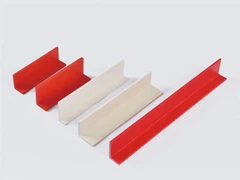
We offer a wide range of BMC Electrical Casing products with different sizes, shapes, and colors to suit various applications. In addition, we can also customize the material formulation and manufacturing process to meet specific requirements, such as enhanced electrical insulation, improved mechanical strength, or increased chemical resistance.
Conclusion
In conclusion, there are indeed standard specifications for BMC Electrical Casing that ensure its quality, safety, and performance. These specifications cover a wide range of properties, including electrical, mechanical, thermal, chemical, and flame resistance. By complying with these standards and regulations, we can provide our customers with high-quality BMC Electrical Casing products that meet their specific requirements.
If you are in the market for BMC Electrical Casing, I encourage you to contact us to discuss your needs. We have a team of experienced engineers and technicians who can provide you with expert advice and guidance on selecting the right product for your application. We also offer competitive pricing, fast delivery, and excellent customer service, ensuring that you have a hassle-free purchasing experience.


Contact us today to learn more about our BMC Electrical Casing products and how we can help you meet your electrical enclosure needs.
References
- International Electrotechnical Commission (IEC). IEC 60529: Degrees of protection provided by enclosures (IP Code).
- Underwriters Laboratories (UL). UL 508: Industrial Control Equipment.
- European Union. CE Marking Directive.
Send Inquiry